Gardening trends for 2026, and why mulch is at the heart of them all
Every year there is a new gardening trend: cottage garden revivals, Japanese minimalism, multi-function outdoor ‘rooms’. And every year, most of us quietly ignore the trends and carry on doing what we’ve always done – try to suppress the weeds, coax something edible out of the veg patch, and keep everything looking like we know what we’re doing.
But for 2026, it seems trends aren’t focusing on aesthetics; they’re all based around how we garden – more sustainably, more resiliently, and with an eye on the future.
Sustainable gardening
The RHS has made climate the central focus of its 2026 gardening predictions, and this is where mulch earns its place in the sustainable gardener’s arsenal.
A good layer of peat-free, organic mulch does a lot of heavy lifting. It suppresses weeds, retains moisture, regulates soil temperature, feeds soil organisms, and gradually improves soil structure over time. It’s a long-term investment in a garden that works harder and needs less from you.
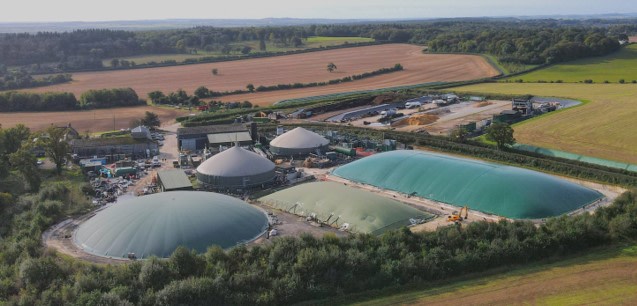
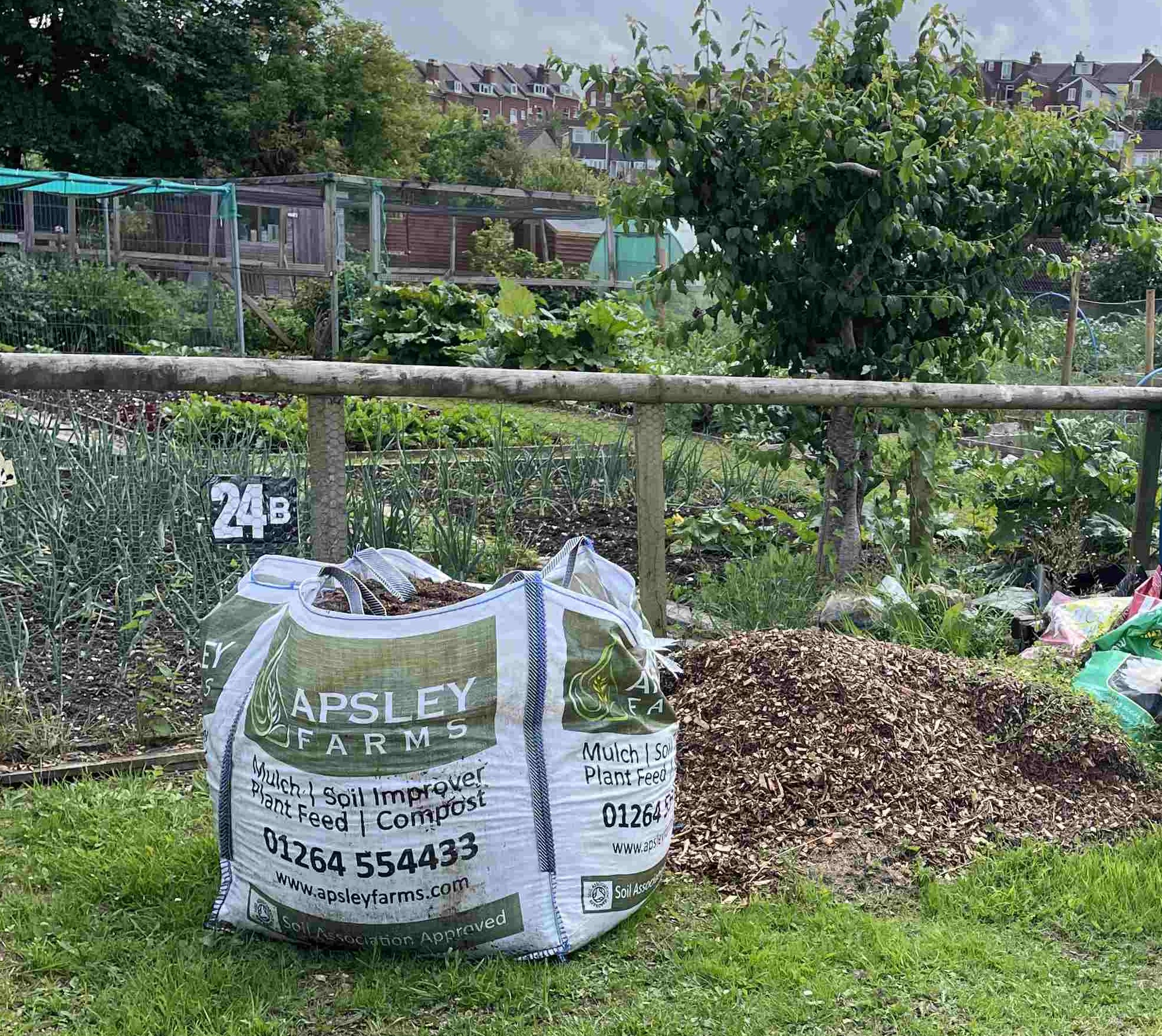
Apsley Farms’ mulch is made as a by-product of our biogas operation. We grow rye, maize, barley and grass on the farm, using it to generate renewable energy. The waste material becomes a 730-litre bag of Soil Association-certified, 100% peat-free soil improver. As a process, it does not get much more circular!
Climate-resilient planting
As our weather gets more extreme, gardeners are also moving towards climate-resilient planting, opting for drought-tolerant perennials like echinacea, salvia, and ornamental grasses that can cope with whatever the British summer throws at them.
Mulch is central to this approach. In dry spells, a layer of mulch on the soil surface can dramatically reduce moisture loss. In wet weather, it helps improve soil structure and drainage over time.
Perennials and pollinators
The RHS has also launched a year-long Bringing Nature Home campaign for 2026, championing plants that support wildlife, feed pollinators, and create genuine habitat.
Long-lived perennials are key here. They are planted not just for their flowers but for their structure, creating borders that look interesting in every season, and act as a mini eco-system.
Perennials love good soil. The better the structure, the deeper the roots, the better the plant. Working mulch into the soil before planting a new perennial bed gives these long-term plants the best start, and means they’ll need less and less from you each year.
Growing your own
Allotment waiting lists are at a record high, and vegetable gardens have never been more popular as the cost of living has driven many back to growing their own.
The RHS is predicting a boom in compact, space-saving food growing, with potted herbs, table-top chillies, and even hanging basket cucumbers!
Our mulch works brilliantly as a soil improver for veg beds. Working it into chalky soil that drains dry in summer, or clay soil that compacts as it dries, improves structure, water retention, and nutrient content.
The peat-free revolution
The UK is moving away from peat in horticulture and the RHS has stopped selling peat-based products. We have been peat-free from day one. Every bag of Apsley Farms mulch is 100% crop-derived, Soil-Association certified for organic use, and safe for children, pets and wildlife.
It is also the product of renewable energy production on our farm, so the sustainability credentials run all the way through the supply chain.
Find out more
If you would like to know more about how our mulch works, we give plenty of guidance on our website, or give us a call and we can talk you through what might work best for your garden.
About Apsley Farms