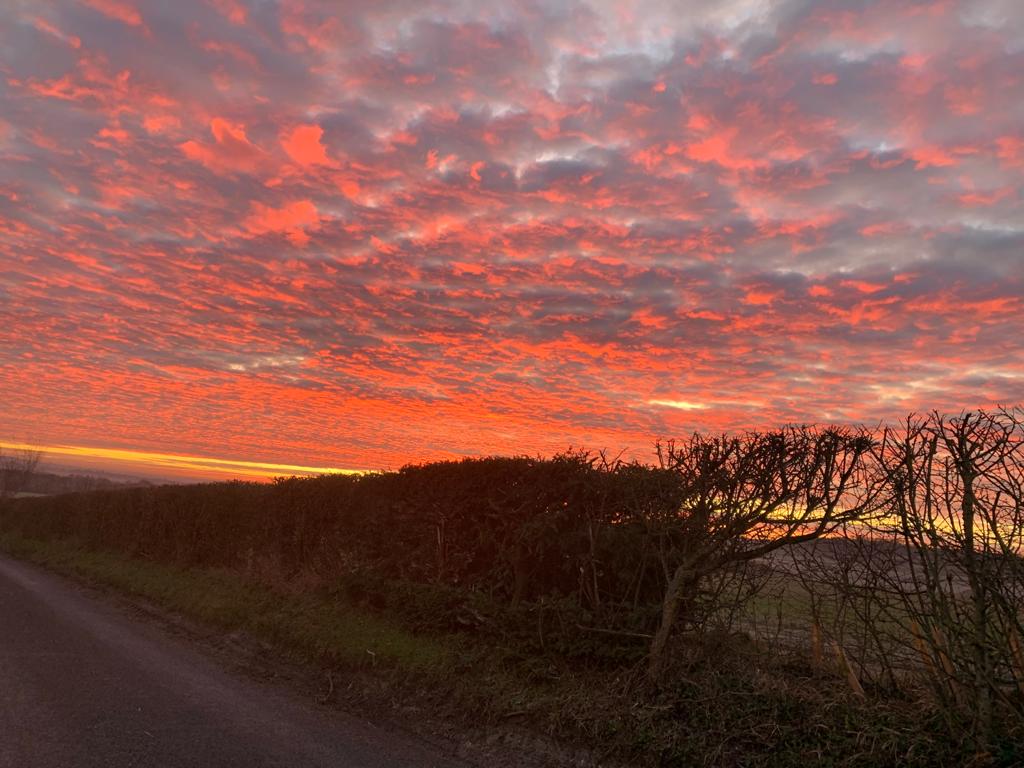
While the fields may appear quiet during the final weeks of winter, life at Apsley Farms is never still.
These late winter/early spring months are a crucial bridge between seasons; a time of preparation precision and planning that underpins the productivity of the year ahead.
Maintenance and forward planning are currently in full swing across the estate as we gear up for the growing season.
Across the farm, our teams are hard at work carrying out essential servicing to ensure machinery, storage facilities, and processing equipment are in peak condition before spring operations intensify.
The winter has seen us putting the finishing touches to our new grain barn, strengthening capacity and improving efficiency. Routine repair and upgrades across our plant also ensure all equipment runs safely and smoothly.
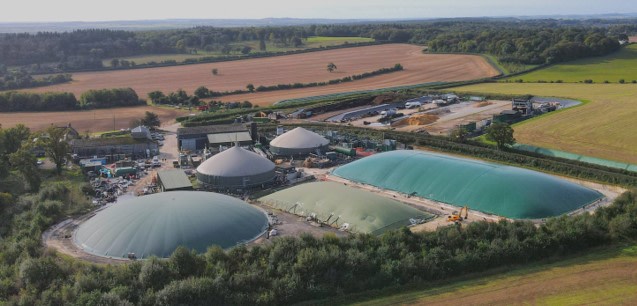
Our anaerobic digestion and dry ice production facilities continue operating around the clock – 24 hours a day, 365 days a year.
As one of the UK’s larger private anaerobic digestion plants, we generate biomethane and electricity for the national grid, alongside producing sustainable liquid CO2, soil-improving digestate, mulch, and dry ice. These sit at the heart of our circular farming model, turning by-products and organic materials into valuable, sustainable resources that support both agriculture and industry.
Our mulch operation is especially busy at this time of year. As soon as Christmas has passed, gardeners start preparing beds and allotments for spring and we’ve been busy bagging large volumes of our peat-free, soil-improving mulch to deliver across the UK.
As ground conditions improve, fieldwork gathers momentum. March marks the start of our busy digestate spreading season, returning valuable organic matter to the soil, supporting soil health and crop performance.
Spring drilling and sowing also begin in earnest, and fertiliser applications start across our arable crops.
As the days lengthen and the pace naturally quickens, the foundations we have laid during the winter, ensure productive days ahead.
About Apsley Farms